


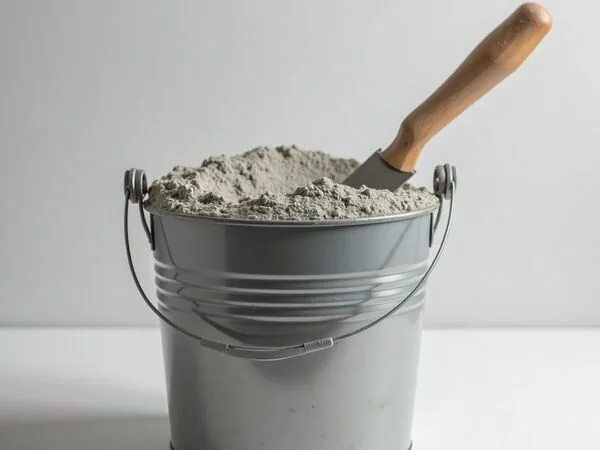
Refractory Patching Paste
Phosphate-bonded refractory plastic for hot-repair maintenance
View detailsHigh alumina castable refractories for furnace hearths and walls
Low-cement castables, precast shapes and bricks for lining aluminium melting and holding furnaces, ladles and launders. Metal-contact zones (hearth, lower sidewall, belly band) need aluminium-resistant grades with non-wetting additives to limit penetration and corundum growth. We source the grade for each zone of your furnace.

With this information we can ask the right factories and come back with a proposal that fits your process. Missing something? Send what you have: we fill the gaps together.
Request a Quote Printable checklist to fill with your plant teamWe reply in English, Spanish, Italian or Chinese.
Need something different? We adapt sizes, materials and specs to your drawing.
Reaction between aluminium and the refractory, accelerated by high temperature and by Mg and Zn in the alloy. Aluminium-resistant grades and keeping bath temperature under control limit it.
Not usually. Metal-contact zones need non-wetting grades, while the roof and upper walls face alkali attack and thermal cycling instead.
Phosphate-bonded refractory plastic for hot-repair maintenance
View details
Needle-punched ceramic fiber blanket, five grades from 600 to 1,430 °C.
View details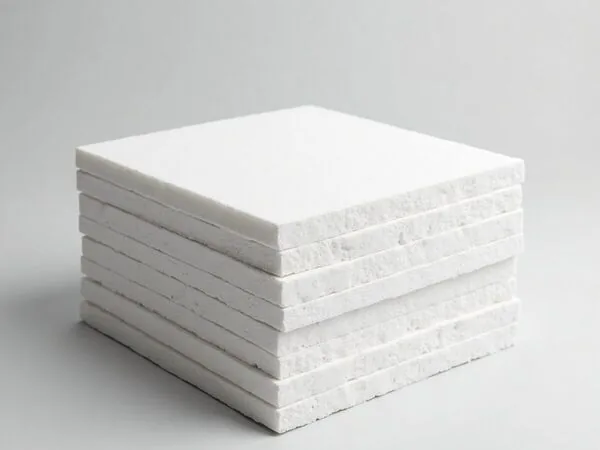
Rigid ceramic fibre board for furnace insulation and launder liners
View detailsAccessibility
No product matches that search. We source to your specification: tell us what you need.
One request, one supplier, one shipment. No prices: we quote to your spec.
Request a quote Printable RFQ sheet