

Dosing Ladles
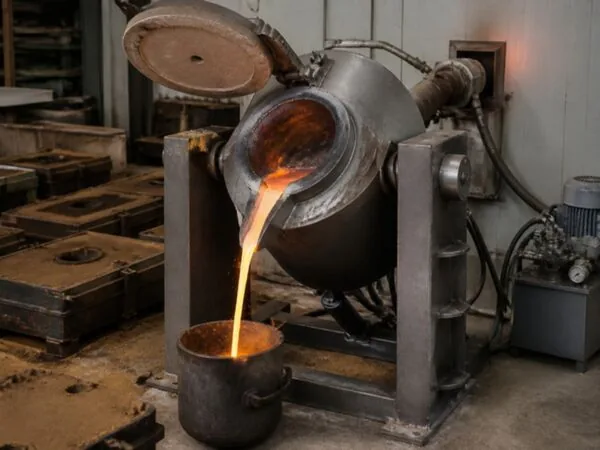
Ladles for serving molten aluminium to die casting and gravity machines
View detailsClay-graphite and silicon carbide crucibles for melting and holding aluminium
Clay-graphite and silicon carbide crucibles for melting, holding and transferring aluminium alloys in gas-fired, oil-fired and electric resistance furnaces. Grades differ by bond (carbon or ceramic), forming method and glaze, which set oxidation resistance and service life. We source the grade and size that matches your furnace bowl, burner type and melt practice.

With this information we can ask the right factories and come back with a proposal that fits your process. Missing something? Send what you have: we fill the gaps together.
Request a Quote Printable checklist to fill with your plant teamWe reply in English, Spanish, Italian or Chinese.
Need something different? We adapt sizes, materials and specs to your drawing.
Both are used for aluminium; the choice depends on furnace type, burner atmosphere and how much fluxing you do. Send your current crucible and its service life and we compare equivalent grades.
Follow the first-heat preheating curve of the grade, avoid hitting the wall when charging, and clean adhered dross regularly. Aggressive fluxes and overheating shorten life on any grade. The cooling curve must also be progressive and with an empty crucible, to prevent cracking.
Ladles for serving molten aluminium to die casting and gravity machines
View details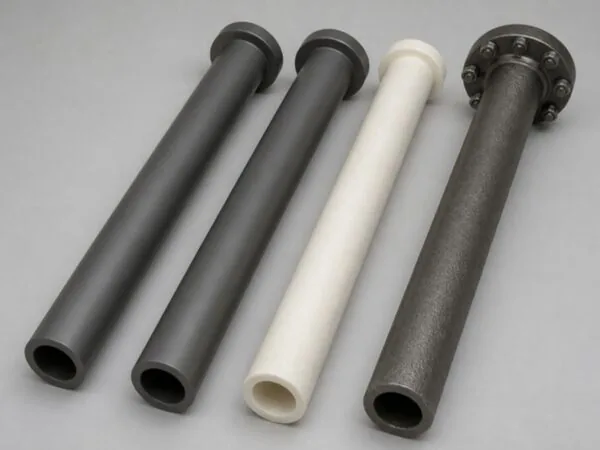
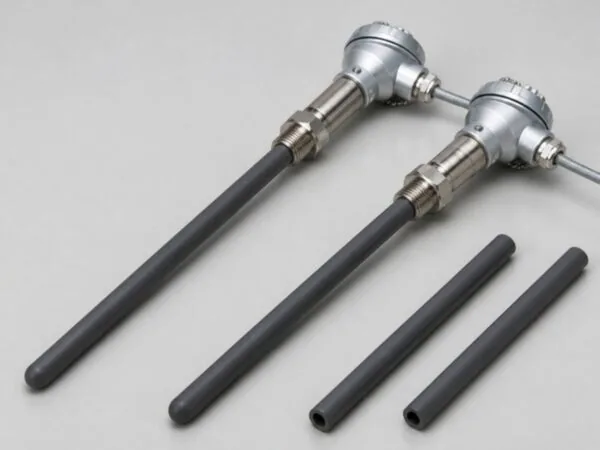
LPDC riser tubes and launder transfer tubes in cast iron or technical ceramics
View details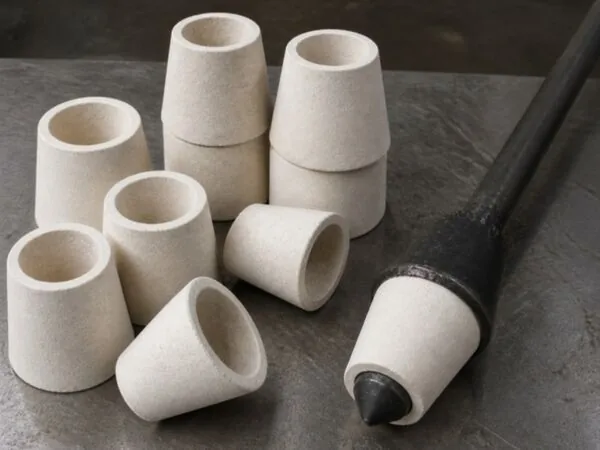
Ceramic fibre cones and cast iron plugs to seal and open furnace tap holes
View detailsAccessibility
No product matches that search. We source to your specification: tell us what you need.
One request, one supplier, one shipment. No prices: we quote to your spec.
Request a quote Printable RFQ sheet