
Crucibles
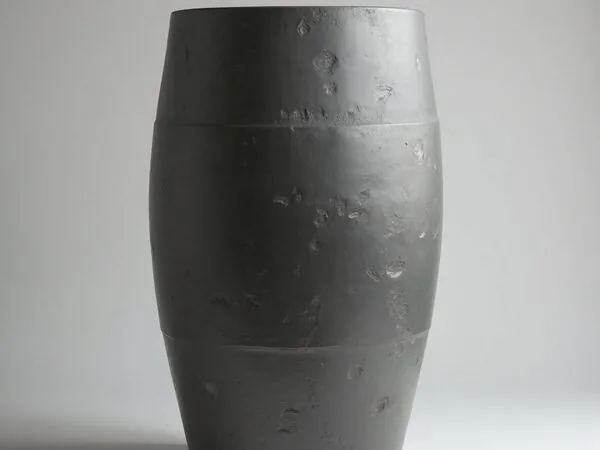
Clay-graphite and silicon carbide crucibles for melting and holding aluminium
View detailsLPDC riser tubes and launder transfer tubes in cast iron or technical ceramics
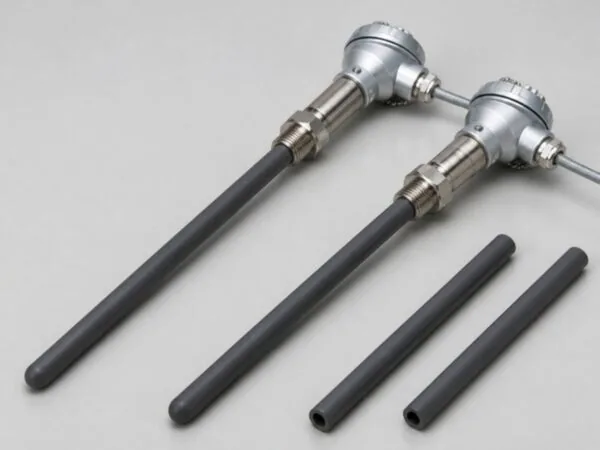
Tubes that carry molten aluminium from the furnace to the mould or between vessels, covering both riser (stalk) tubes for low pressure die casting and launder transfer tubes. They are made in cast iron or in ceramics such as fused silica, aluminium titanate, silicon nitride and sialon, with flange designs to match the furnace. We source to your drawing and process temperature.

With this information we can ask the right factories and come back with a proposal that fits your process. Missing something? Send what you have: we fill the gaps together.
Request a Quote Printable checklist to fill with your plant teamWe reply in English, Spanish, Italian or Chinese.
Need something different? We adapt sizes, materials and specs to your drawing.
Cast iron is low cost and mechanically strong but can pick up iron into the melt; ceramics insulate better and last longer, at a higher unit cost. The right choice depends on your alloy limits for Fe and on handling practice.
It depends on the ceramic: some grades are described as tolerant to thermal shock while others need controlled preheat. We confirm the requirement for the exact grade in the quote.
Clay-graphite and silicon carbide crucibles for melting and holding aluminium
View details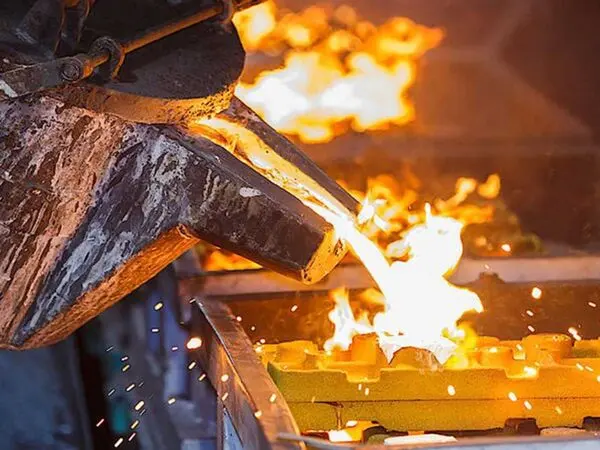
Ladles for serving molten aluminium to die casting and gravity machines
View details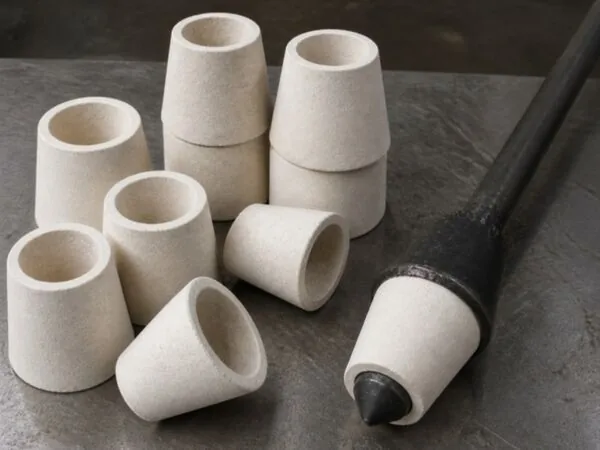
Ceramic fibre cones and cast iron plugs to seal and open furnace tap holes
View detailsAccessibility
No product matches that search. We source to your specification: tell us what you need.
One request, one supplier, one shipment. No prices: we quote to your spec.
Request a quote Printable RFQ sheet